 |
 |
|||||||||||||||||||||||||||||||||||||||||||||||||||||||||||||||||||||
|
Although Boeing were not the first to build a commercial jet it proved to be an advantage - they learned from the fatal mistakes of others. |
||||||||||||||||||||||||||||||||||||||||||||||||||||||||||||||||||||||
|
Boeing ultimately gambled the entire company’s net worth on the development of a commercial jet airliner. The first estimate’s suggested a jet airliner's development would cost approximately $16 million, a figure which at the time represented twenty percent of the company's entire value. But by the time development of the 707 actually concluded, costs had surpassed $185 million. |
||||||||||||||||||||||||||||||||||||||||||||||||||||||||||||||||||||||
|
||||||||||||||||||||||||||||||||||||||||||||||||||||||||||||||||||||||
|
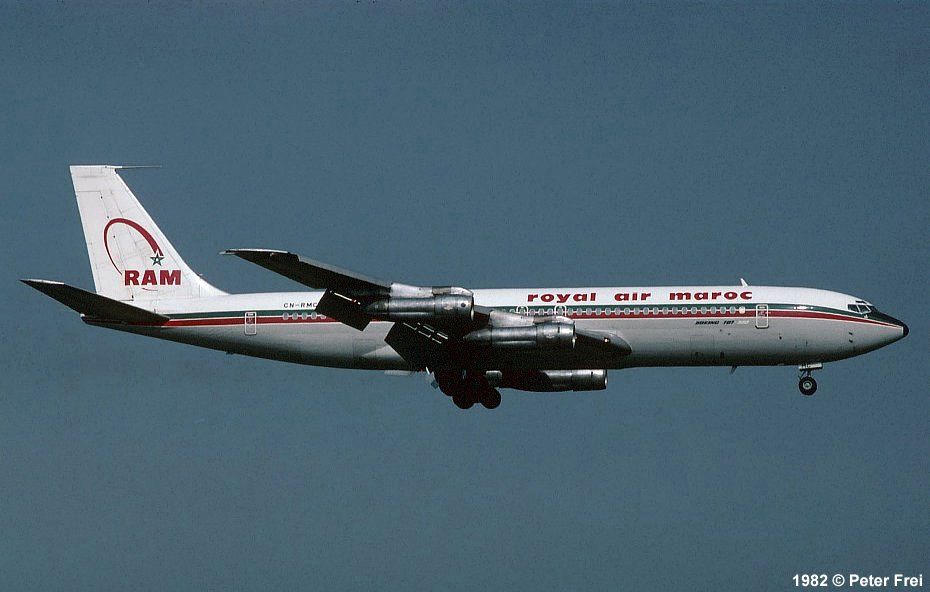
707-100 Pan Am was the launch customer ordering 15 and history was made when the first commercial trans-atlantic service started on 26th October 1958 between New York and Paris. The -100 series seated 187 at maximum capacity but a 137 seat configuration was more usual.The -100B used the more efficient JT3D turbofan as opposed to the earlier use of the JT3C turbojet both by Pratt & Whitney. This increased the range to 6000nm and reduced both fuel consumption and noise. The -138B was made exclusively for Quantas who needed a long-range aircraft. 12 of this variant was built by removing a 10ft section of fuselage aft of the wings to reduce the weight. The fuel capacity was also increased. |
||||||||||||||||||||||||||||||||||||||||||||||||||||||||||||||||||||||
|
The -200 series was made for Braniff who required a 'hot and high' variant to use in Latin America. Very similar to the -100 with only five examples made, the main change was the JT4A turbojets. The next development was the stretched 707 naturally enough called the -300. This also featured JT4A's and first flew in January 1959. This was soon to be supplanted by the -300B which used JT3D turbofans with redesigned wings (curved tips plus increased span and area), flaps and bigger fuel tanks which allowed the 707 to carry 141 passengers over a range in excess of 4000 miles making it truly intercontinental. |
||||||||||||||||||||||||||||||||||||||||||||||||||||||||||||||||||||||
|
Boeing tried a version of the 300 fitted out with Rolls-Royce Conway 508's and this became known as the -400 series. |
||||||||||||||||||||||||||||||||||||||||||||||||||||||||||||||||||||||
|
Boeing 707-320C was a cargo/passenger (Combi) variant with a large cargo door fitted to the forward port fuselage. 337 of these were made up until 1979 when the last civil 707 was delivered to TAROM. |
||||||||||||||||||||||||||||||||||||||||||||||||||||||||||||||||||||||
|
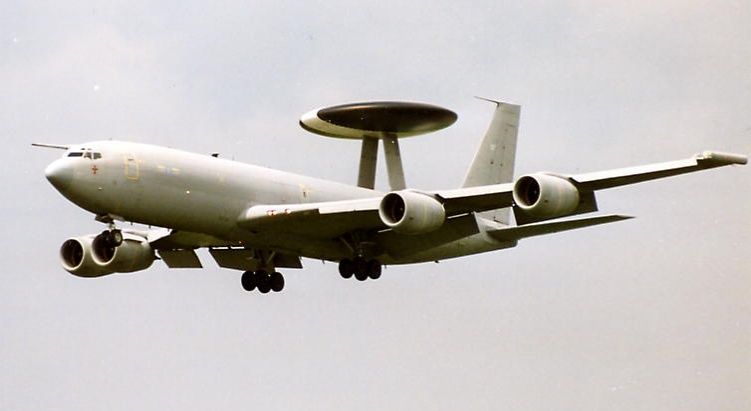
When Boeing closed the production lines at the end of May 1991 they had made 1,010 707's of all type's plus over 800 military variations. Boeing also developed the model 720, another 707 variant, a shorter bodied aircraft seating 130 passengers for short- to medium-range flights. Military uses included the KC/C-135 refueling tanker (formerly the model 717), the E-3 AWACS Sentry, and E6 for the US Navy. |
||||||||||||||||||||||||||||||||||||||||||||||||||||||||||||||||||||||
 |
||||||||||||||||||||||||||||||||||||||||||||||||||||||||||||||||||||||
|
The original 'Airforce One' was the VC-137. Five model 707's were given this designation and used by high government officials before being replaced by two 747's more than 30 years later. |
||||||||||||||||||||||||||||||||||||||||||||||||||||||||||||||||||||||
|
There are currently about 200 707's still in use today mostly as freighters. Comtran produce hushkits to Stage2/Chapter2 noise regulations and stage3 hushkits are manufactured by QTV and Burbank Aeronautical who also offer winglets. There are also several companies offering re-engining programme's to meet the more restrictive noise regulations. |
||||||||||||||||||||||||||||||||||||||||||||||||||||||||||||||||||||||
 |
||||||||||||||||||||||||||||||||||||||||||||||||||||||||||||||||||||||
 |
||||||||||||||||||||||||||||||||||||||||||||||||||||||||||||||||||||||
 |
||||||||||||||||||||||||||||||||||||||||||||||||||||||||||||||||||||||
|
UKWC 707 “Colosuss” |
||||||||||||||||||||||||||||||||||||||||||||||||||||||||||||||||||||||
 |
|
|
|
|
|
|
|
|
|
|
|
|||||||||||||||||||||||||||||||||||||||||||||||||||||||||||
 |
||||||||||||||||||||||||||||||||||||||||||||||||||||||||||||||||||||||
|
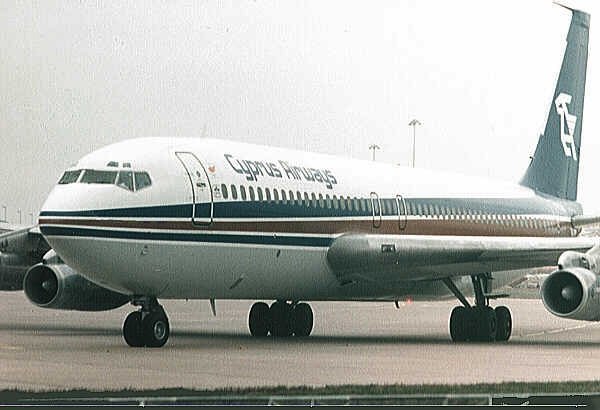
UKDirect operate a single Boeing 707, which we named Colosuss. Colosuss' life began in 1967 and first flew 29th May that year. Then she left the Boeing factory and was delivered to Trans World Airlines (TWA) serving them for 11 years before leasing to Aer Lingus via Guiness Peat Aviation. It was repeatedly leased and sub-leased over many years to numerous companies, carrying millions of passengers and tons of cargo. After 2 years of storage in Miami it was eventually consigned to be 'parted out'. Saved from the breakers yard and purchased by Cyprus Airways Colosuss flew for another 3 years ferrying passengers and cargo between Europe and Africa before arriving at UKWorld Cargo for a sum of around $1.1m. After fitting with Comtran stage two hush-kits and semi-permanant fitting for cargo Colosuss is based at Manston, UK and flies regular scheduled cargo runs into Israel, Cyprus, Turkey and Egypt with a weekly jaunt across Northern Europe. Although it is a Combi and could therefore carry passengers it would be prohibitively expensive to fit out and Colosuss will probably never carry passengers again. |
||||||||||||||||||||||||||||||||||||||||||||||||||||||||||||||||||||||
|
|
||||||||||||||||||||||||||||||||||||||||||||||||||||||||||||||||||||||









